You may need an ileostomy if your colon is too damaged to perform its function. The surgeon will opt to disconnect your ileum from the colon, and pull the end of the ileum through an incision in the tummy to create a stoma. This bowel diversion is known as an ileostomy.
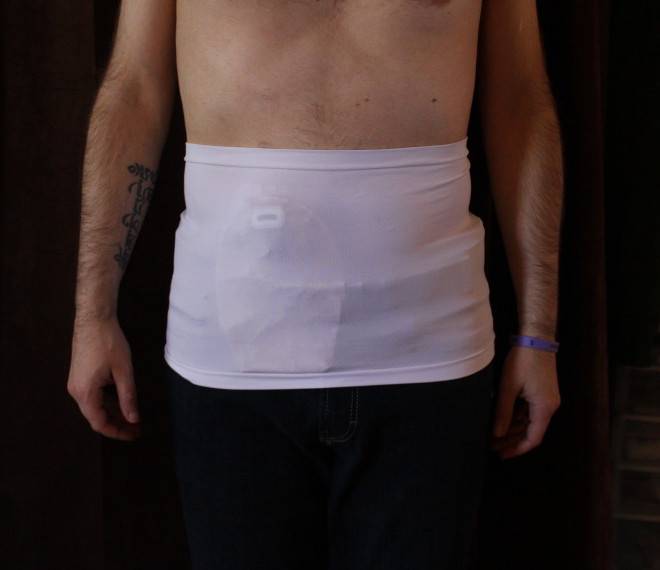
In this article, we will discuss the reasons why you may need an ileostomy.
Crohn’s disease
Crohn’s disease refers to a long-term digestive condition in which the GI tract, particularly the colon, develops inflammation. Symptoms of Chrohn’s disease may include:
- Abdominal pain
- Diarrhea
- Fatigue
In most cases, Crohn’s disease is treated with medication, but an ileostomy may be recommended if the colon becomes severely inflamed. The purpose of creating an ileostomy in this regard is to divert intestinal wastes away from the colon to allow it to heal. An ileostomy that is created to treat Crohn’s disease is generally temporary.
Ulcerative colitis
Ulcerative colitis is a condition referring to the inflammation in the lining of the large intestine. Common symptoms of ulcerative colitis may include:
- Diarrhea with traces of blood
- A consistent sensation of needing to pass stools
- Pain in the abdomen
In most cases, ulcerative colitis can be controlled through medication. You will need to undergo ileostomy surgery if your colon is severely infected due to this condition. The surgeon will either create an ileostomy or ileo-anal pouch to help you manage stool evacuations.
Bowel cancer
Bowel cancer generally develops in the colon or rectum. The treatment required for this cancer may include radiation, chemotherapy, or both. The treatment aims at shrinking the cancer to make its removal convenient and less complicated.
Depending on whether the surgeon removes or rests the colon, you may need a permanent or temporary ileostomy. If your anus is intact, the surgeon will choose to give you an ileo-anal pouch to allow you to have bowel movements like normal people.
Your surgeon may want to separate the diseased part of the bowel from the healthy one. In that case, he will pull the end of the healthy part of the colon out through the abdominal wall, creating a colostomy.
Bowel obstruction
Bowel obstruction happens when a blockage in the bowel occurs due to unprocessed and hard formations of foods, fluids, and waste materials. The primary reason for bowel obstruction to occur is inflammation. An unusual narrowness of the bowel can also lead to bowel obstruction.
The doctor will choose to give you an ileostomy if your colon becomes completely blocked. This ileostomy can be permanent or temporary, depending on the underlying reason of the blockage.
Injury
An injury that impacts or puncture the colon can be one of the reasons you may need an ileostomy. This injury can damage the colon temporarily or permanently. Your doctor will decide whether or not to give you an ileostomy depending on the severity of the injury. They will also decide whether this ileostomy will be permanent or temporary.
It is imperative to pay attention to your symptoms. If you are feeling any anomaly developing inside your body, you should contact your doctor immediately.
 Ileostomy Health