Make Sure Your Ostomy Patient Has all Necessary Supplies

Being a doctor, nurse, and caregiver, you are not only responsible for taking care of stoma and surgery, make sure your patient has all necessary supplies of ostomy. An ostomate goes through a challenging situation after the operation. It would create frustrating circumstances for the patient if he/she does not have sufficient tools. Having insufficient tools and devices cause problems and challenges for the ostomate and doctor or nurse. Therefore, ensuring that the person has all the devices required for the stoma and its care is your primary duty.

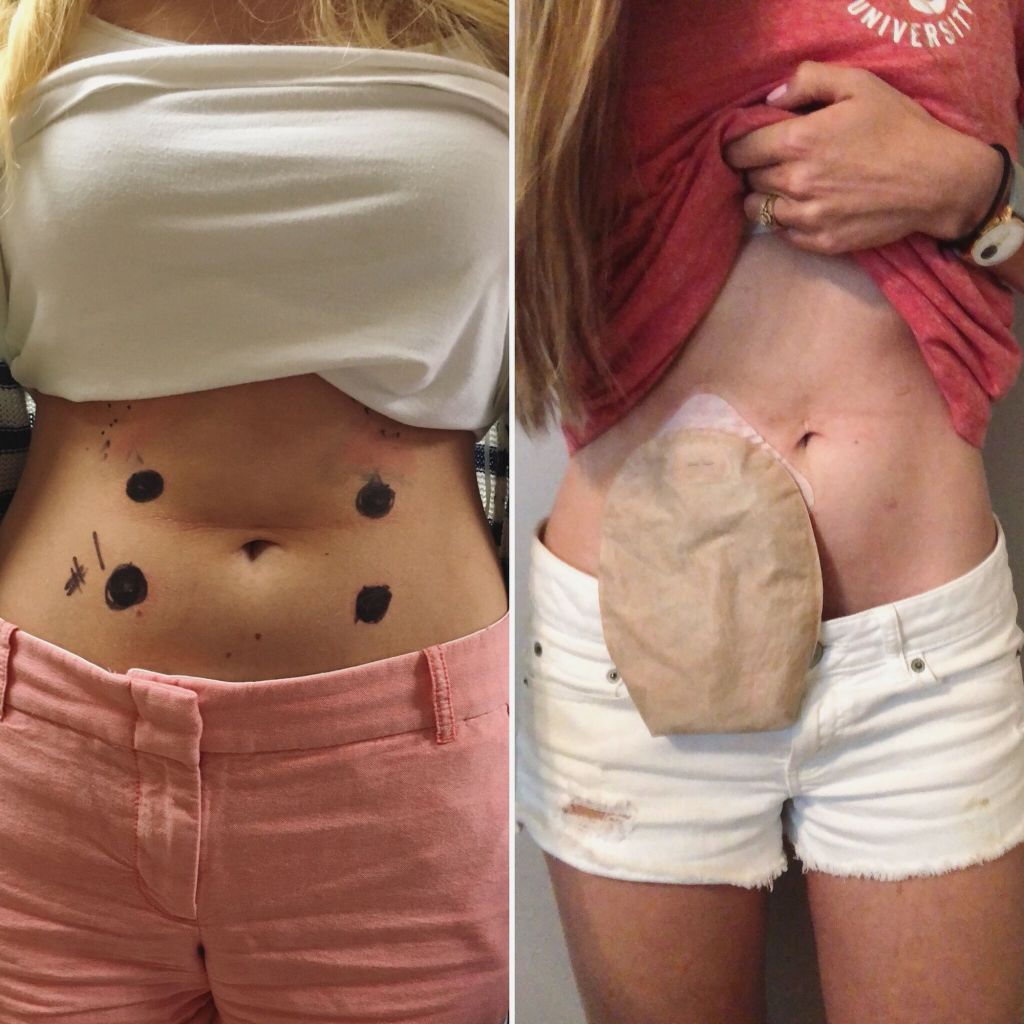
Being an ET nurse and the surgeon, you must teach your patient regarding the essentials of ostomy devices and their importance. Tell them that these tools have designed to make your ostomy life easy, comfortable, and to upgrade the quality of your lifestyle. Moreover, teach your ostomy patients about the use of these tools. An ostomate does know that what is the size of the stoma, which appliance is suitable for the opening, how can he/she use it, how these supplies enhance their lifestyle, when to change, when to empty, what is the appropriate procedure of wearing the pouching system, and what is the right time for draining the ostomy bag.
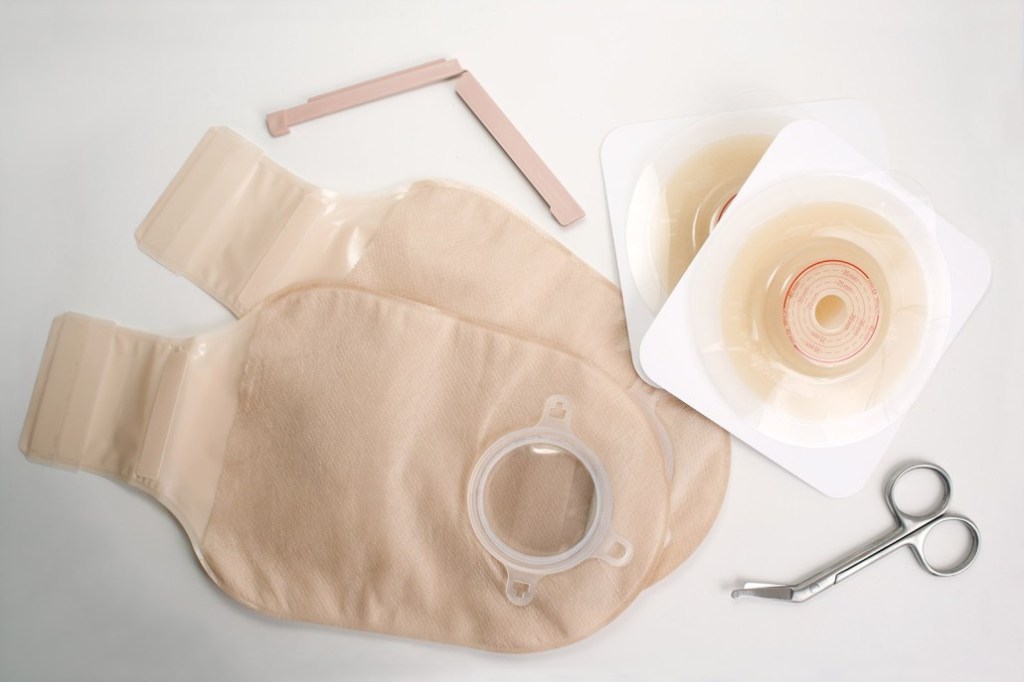
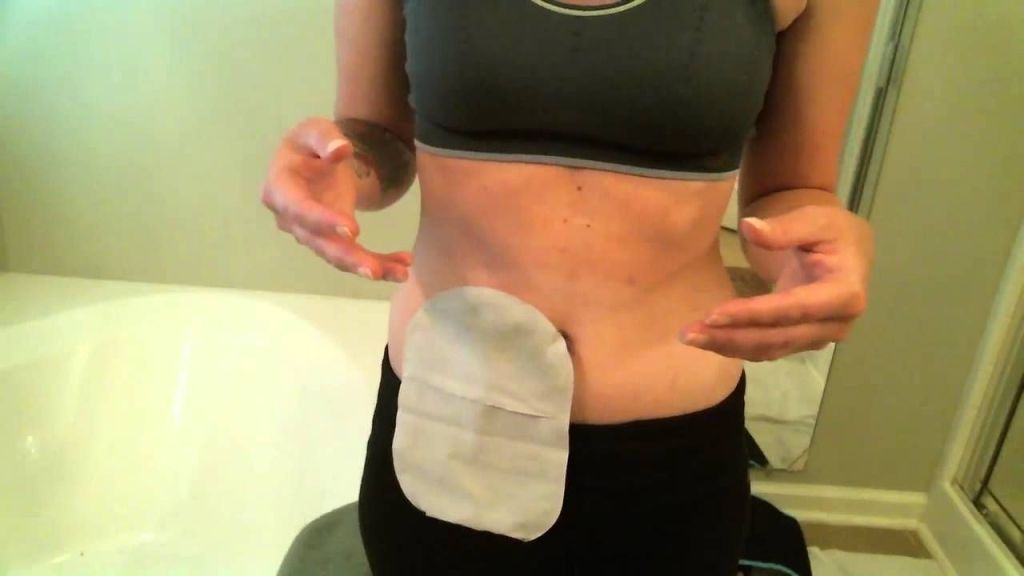
Moreover, teach your ostomy patients regarding the unexpected leakage from the bag and how to deal with this situation. Tell then what is the right way of wearing the pouch, and what is the purpose of secondary supplies in the ostomy pouching system. You can clear all these significant points in the pre-operative session and guide your ostomates gradually after the surgery during the patient’s rest-time in the hospital. Before discharging your ostomy patient, make sure he/she has all the necessary supplies and the patient knows about their uses. Try to give your patients a demo regarding the use, wear, and taking off the pouching system.

Acute Care Setting For an Ostomate

In an acute care setting, the hospital staff, including nurses, doctors, and ostomy supplies suppliers, provide the tools as a part of the daily rate service. The hospital’s group purchasing contract discovers which ostomy company is providing the best tools and devices for the ostomates. Moreover, a patient can know the contact of the suppliers and the best companies in the town.

Before getting discharged, the ostomate and his/her family know about the ostomy supplies suppliers and their uses. If there is a confusion or query in the mind of the patients and its caregiver, then you can ask from your ET nurse and the supplier company. You can ask if they are providing home service or not. Being the hospital staff, it is your responsibility to provide contact details of the ostomy suppliers companies and set their details for future orders.
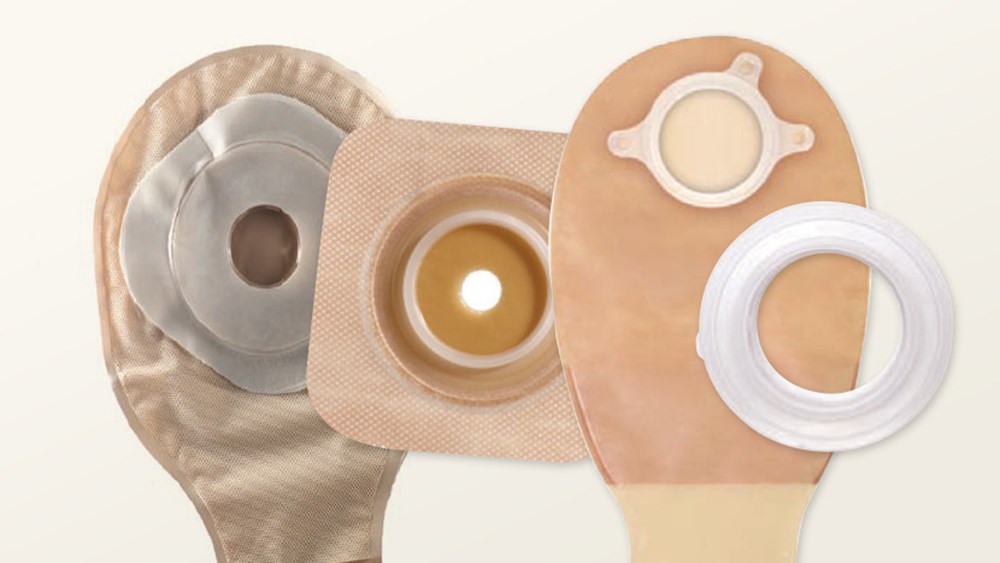
If the ostomy tools supplier is not providing the right sized pouching system, then it is the liability of the hospital staff to provide another company’s contact number and services with the right size stoma bag. Being an ET nurse or doctor, you should provide the contact and services of the personalized setting details. Many patients demand the personal modeling of the ostomy pouching system, then contact to the Nu-Hope Ostomy company, it is providing the personal modeling it to the ostomy patients.

Subacute Care Setting For an Ostomate

Subacute care is expensive than an acute care setting for an ostomy person. The average cost of the ten stoma bags and is $120, and the approximate price of the 10 barriers is $120.

Therefore, when you are in a subacute care setting, the suppliers charge you by a day rate. Moreover, in this care-setup, the company will charge you more for the facility at the hospital or your home.
What is an Ostomy Belt? Why DO You Need it?

Ostomy Belt

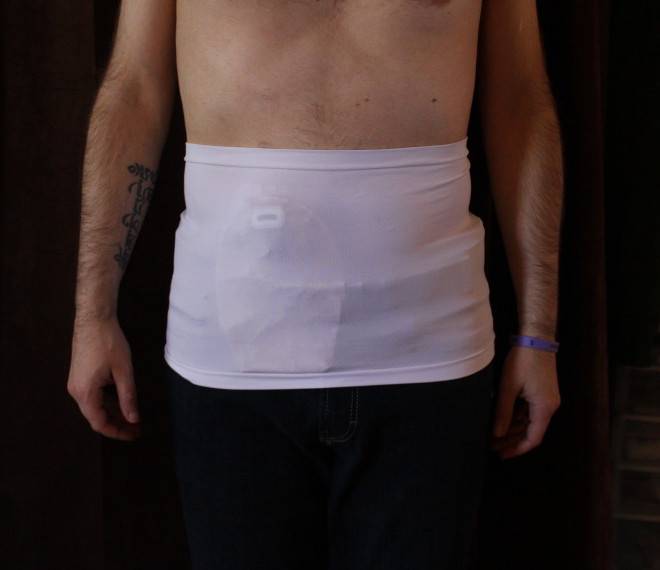
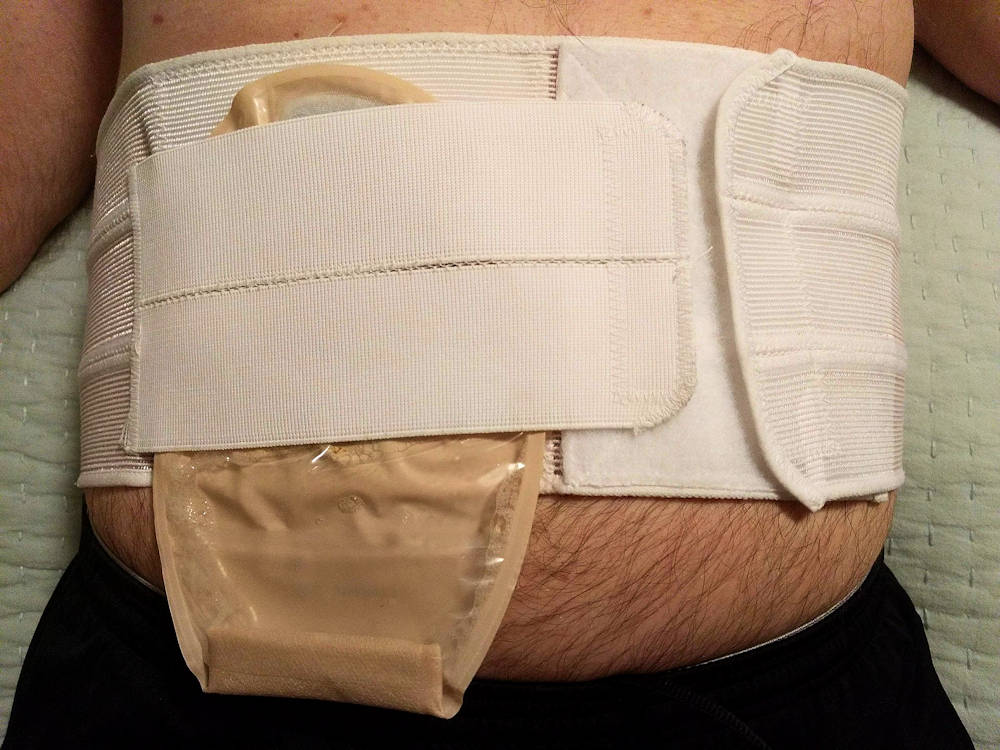
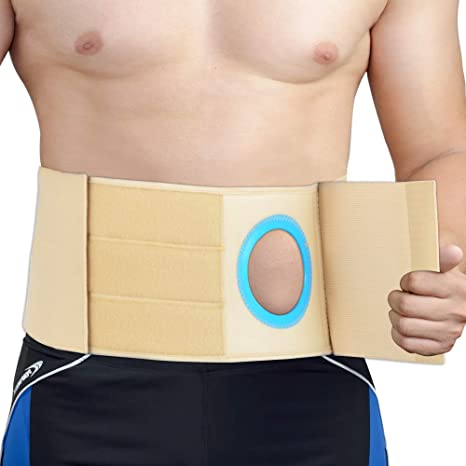
The ostomy belt is a device that makes an ostomate’s life comfortable. It is not something an ostomy patient must use, but it is an accessory, and the use of it depends on the need of the stoma patient.

Ostomy belts have been used to protect the adhesive and sealing of the stoma pouch. It is not necessary for every ostomy patients. Many ostomates suffer from leakage problem, adhesive does work for them adequately; therefore, they need a special tool to protect the sealing and avoid leakage is ostomy belt.

Ostomy belts can enhance the adhesive and security of your pouching system. It can avoid leakage and skin damage. Sometimes, an ostomate’s daily activities like swimming or gym can spoil the sealing of the ostomy system, sometimes while wearing the stoma bag, it leaves creases and causes leakage of the content. However, ostomy belts protect the sealing and prevent the waste matter from coming out. Moreover, you become agile in performing your tasks. You can get rid of embarrassments in public if your ostomy pouching system is secure and fit.

When it comes to wearing the ostomy belt, you should wear it in line with the belt tab position. This is not according to the natural waistline, but it is a suitable position for the stoma accessory. Moreover, some patients have a high waist, then do not ride up the ostomy belt. If you want to pull the stoma belt up to your natural waist height, it can change the dynamics of the ostomy bag. If you do so, it can reduce the power of securing the pouching system against the leakage. Well, while performing any type of physical activity, if you feel your belt is misplacing, you can go to the washroom and fix the position; otherwise, it can cause trouble for you. If you have placed your ostomy belt in the right position, it can give your comfort and security against leakage for a longer time.

Moreover, ostomy belts are stretchable and elastic. Therefore, they become loose with time and rough use. An ostomate should handle these accessories with care and gentle hands. If you do not stretch the stoma belt intentionally, you can wear it for a longer time. Otherwise, you will have to buy this device again and again. If your belt is in good condition, do not think you can use it for the entire year. Change your ostomy appliances and accessories three to four times per year.

Wearing an ostomy belt means providing comfort to the ostomate. However, you should wear this device in a comfortable way which means it should not be too tight. You can buy the belt according to your stoma size. It is available in small, medium, and large sizes. You can check your size for the stoma belt by putting the belt tab on your waist. Moreover, you can put your finger on your belt after wearing it. It means it is snug. If it is too tight and you can not enter your finger in the belt, then it will give you comfort and trouble. A too-tight belt can cause skin burning and irritation. Thus, avoid wearing an ostomy belt too tight.

Why Do You Need an Ostomy Belt?

An ostomy belt is for every ostomate who suffers from leakage problems. Many ostomates have a convex pouching system, or due to age factor they cannot manage their ostomy bag and appliances; thus, they need a device that can hold and protect the stoma bag. It controls the leakage and provides security to the life of the adhesive. Moreover, the construction of the opening also depends for example, either the stoma is flat or deep. It gives you a sense of security and prevents waste content to come out.

Reasons You May Need An Ileostomy

You may need an ileostomy if your colon is too damaged to perform its function. The surgeon will opt to disconnect your ileum from the colon, and pull the end of the ileum through an incision in the tummy to create a stoma. This bowel diversion is known as an ileostomy.

In this article, we will discuss the reasons why you may need an ileostomy.

Crohn’s disease

Crohn’s disease refers to a long-term digestive condition in which the GI tract, particularly the colon, develops inflammation. Symptoms of Chrohn’s disease may include:

  • Abdominal pain
  • Diarrhea
  • Fatigue

In most cases, Crohn’s disease is treated with medication, but an ileostomy may be recommended if the colon becomes severely inflamed. The purpose of creating an ileostomy in this regard is to divert intestinal wastes away from the colon to allow it to heal. An ileostomy that is created to treat Crohn’s disease is generally temporary.

Ulcerative colitis

Ulcerative colitis is a condition referring to the inflammation in the lining of the large intestine. Common symptoms of ulcerative colitis may include:

  • Diarrhea with traces of blood
  • A consistent sensation of needing to pass stools
  • Pain in the abdomen

In most cases, ulcerative colitis can be controlled through medication. You will need to undergo ileostomy surgery if your colon is severely infected due to this condition. The surgeon will either create an ileostomy or ileo-anal pouch to help you manage stool evacuations.

Bowel cancer

Bowel cancer generally develops in the colon or rectum. The treatment required for this cancer may include radiation, chemotherapy, or both. The treatment aims at shrinking the cancer to make its removal convenient and less complicated.

Depending on whether the surgeon removes or rests the colon, you may need a permanent or temporary ileostomy. If your anus is intact, the surgeon will choose to give you an ileo-anal pouch to allow you to have bowel movements like normal people.

Your surgeon may want to separate the diseased part of the bowel from the healthy one. In that case, he will pull the end of the healthy part of the colon out through the abdominal wall, creating a colostomy.

Bowel obstruction

Bowel obstruction happens when a blockage in the bowel occurs due to unprocessed and hard formations of foods, fluids, and waste materials. The primary reason for bowel obstruction to occur is inflammation. An unusual narrowness of the bowel can also lead to bowel obstruction.

The doctor will choose to give you an ileostomy if your colon becomes completely blocked. This ileostomy can be permanent or temporary, depending on the underlying reason of the blockage.

Injury

An injury that impacts or puncture the colon can be one of the reasons you may need an ileostomy. This injury can damage the colon temporarily or permanently. Your doctor will decide whether or not to give you an ileostomy depending on the severity of the injury. They will also decide whether this ileostomy will be permanent or temporary.

It is imperative to pay attention to your symptoms. If you are feeling any anomaly developing inside your body, you should contact your doctor immediately.

Life of an ileostomy

Ileostomy does not mean you cannot live and agile and full life. Many ostomates who do not know much about the stoma think that their life is on an edge, and there is no more fun for them. This is a myth you hear from the persons who never got stoma or have a non-medical background. The reality is different. Life is full of enjoyment and pleasures, even with the ileostomy. No doubt, having an opening in your abdomen ask for some care and protection, but it does not halt your life and lifestyle.

An ileostomate can perform any activity he/she wants. There is no limitation for physical exercises and professional lifestyle. Moreover, when it comes to hobbies, many ileostomy persons think they cannot follow their dreams, gym, swimming, sex, running, dance, travel, cycling, or any other task that needs physical exertion. No, you can do whatever you wish for. There should be some precautionary measures for your ileostomy, and you are ready for your work.

Ileostomy Pouching System

An ileostomy should be vigilant while choosing an appliance for the stoma. Ileostomates usually suffer from frequent bowel movement and loose motion. Thus, the pouching system for ileostomy patients should be different from colostomy persons.

An ileostomy can wear a discardable pouching system, but it will be convenient if he/she does not suffer from diarrhea. Well, the appropriate pouching appliance for the ileostomies is a drainable pouching system. Moreover, They should wear a stoma belt while performing any physical activity like swimming, cycling, or gym. This protects the sealing of the bag and prevents the liquid output from coming out of the pouch.

Moreover, an ileostomy person should use a high-quality adhesive and paste. Good sealing is necessary for patients who suffer from leakage and diarrhea.

Moreover, choose a pouching system that suits your skin. Some of the products irritate stoma and skin around it. They can cause itching, burning, and sometimes bleeding from the stoma. Therefore, an ileostomy should ask his/her nurse about the appropriate stoma bag for the opening. There is an extensive range of ostomy bags and other tools; therefore, everything is not for your skin and opening. Choose wisely and pick the materials that do not cause allergy to your skin.

Emptying of the Ostomy Pouch

Another necessary point for healthy ileostomy life is on time emptying of the pouch. Many ileostomy patients do not feel the bowel movement and forget to empty the material. This can cause trouble and embarrassment for them.

Thus, an ileostomate should know when to empty the pouch. If you do not feel any movement of bowel or fullness of the bag, then you should check your stoma bag every two hours. Go to the loo and examine your pouching system, either it gets full or not, is it leaking, or causing any allergy to the peristomal skin. Well, in case you feel the bowel movement, the do not wait for the fulness of the bag. When it gets half full, go to the washroom and drain your pouch. The stool should not come out of the stoma bag and touch your skin around the opening. It can damage the pH of the skin, dehydrate it, and cause further skin allergy diseases. Drink plenty of water (at least 10 glasses of water) to avoid dehydration and manage the pH. Moreover, it clears out the blockage or any infection in the stoma.

Physical Activities of an Ileostomy

An ileostomy can do anything in life, was doing before the stoma. It does not stop your life and activities. You are free to swim, run, gym, travel, party, going to the office, intimate life, giving birth, shopping, or any other thing you love to do.

Diet for Ileostomy

An ileostomy should not eat foods that can cause motion or frequent bowel movements such as red beans, oranges, mangos, cucumbers, eggplant, and pulses.