The surgical procedure in which the surgeon separates the small intestine from the large intestine to divert it to the abdominal wall is known as ileostomy surgery. The end of the small intestine appears on the abdominal wall forming a stoma, which is an opening that allows the bowel diversion to evacuate bodily wastes.
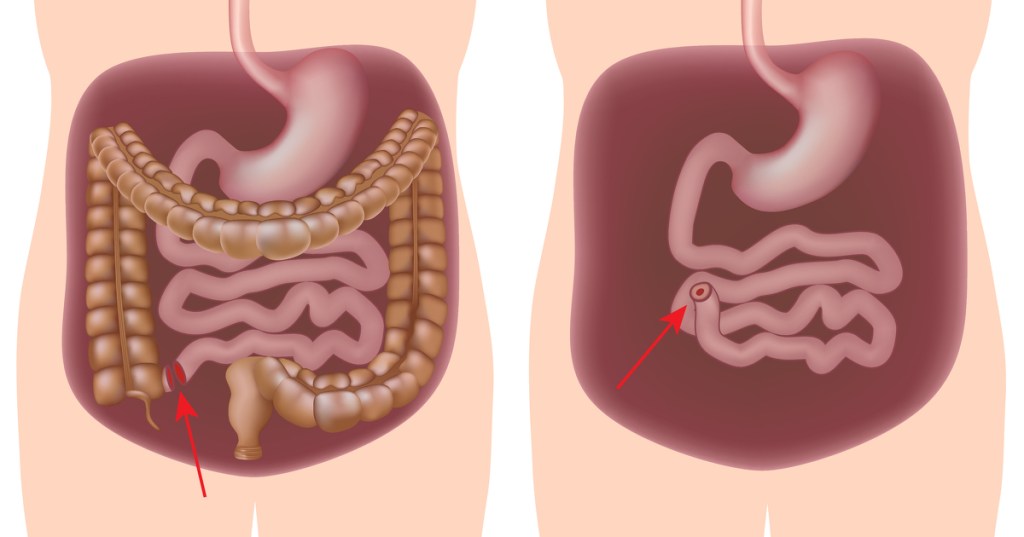
The purpose of an ileostomy is to divert the passage of stools away from the large intestine, which has become too unfit to function. The surgeon may remove or rest the colon, depending on the type or severity of the underlying condition. A temporary ileostomy may be required if your colon needs some time to rest. The surgeon will rest it until it recovers to regain its ability to function once again.
An example of the medical condition that may necessitate a person to undergo ileostomy surgery is ulcerative colitis. This condition results from the immune system attacking cells in the lining of the large intestine, causing inflammation. This inflammation leads to frequent bowel movements, abdominal pain, stools with traces of blood, and loss of appetite. This condition is treatable through medication, but a patient may need to have ileostomy surgery if his bowel fails to respond to medication and other forms of treatment.
Ileostomy surgery may be necessary to treat the following conditions.
- Obstruction in the bowel
- Colorectal cancer
- Crohn’s disease
- Congenital bowel defects
- Bleeding from the large intestine
- Injury
Diagnosis
The patient has to meet with the surgeon before surgery to discuss the process in detail. During this meeting, the surgeon gives instructions regarding preoperative and postoperative care. The stoma care nurse marks the site of the stoma. In most cases, the doctor and nurse ask the patient about the preferred location of the stoma.
Before surgery, the surgical staff puts IV into a vein to administer fluids and anesthesia. Surgery may take 3-6 hours, depending on the severity of the condition.
Aftercare
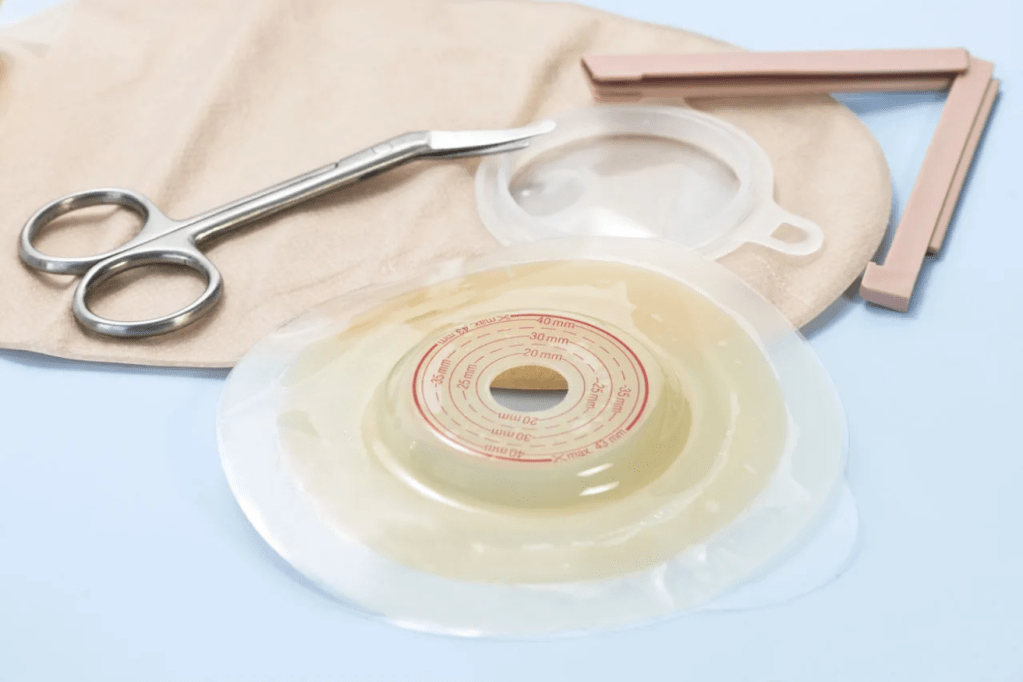
After surgery, the patient receives instructions from the stoma care nurse regarding how to care for the stoma. These instructions mainly include checking the stoma and the skin around it for complications, placement of the ileostomy bag, and necessary changes to the lifestyle. With the colon out of action, the patient has to evacuate more watery stool. It necessitates the patient to increase water intake, as the evacuation of more water through the stoma can increase the risk of dehydration.
The stool passing out of an ileostomy generally has a high content of digestive enzymes, which can be quite corrosive for the peristomal skin. It means that you are going to have to ensure a tighter seal between the skin barrier and the peristomal skin to prevent the stool from seeping underneath the flange. The contact of stool with the peristomal skin can heighten the risk of developing skin complications, which can further compromise the seal. It initiates a vicious cycle. You may want to use skin care products to address any skin complications before they start making the problem worse.
It will take 6-8 weeks for your bowel to recover from surgery. After that recovery phase, you will be able to eat your favorite foods, go to your workplace, and hit the gym if you are a fitness enthusiast. You may want to have guidance from your nurse before deciding to make any change in your lifestyle.
 Ileostomy Health